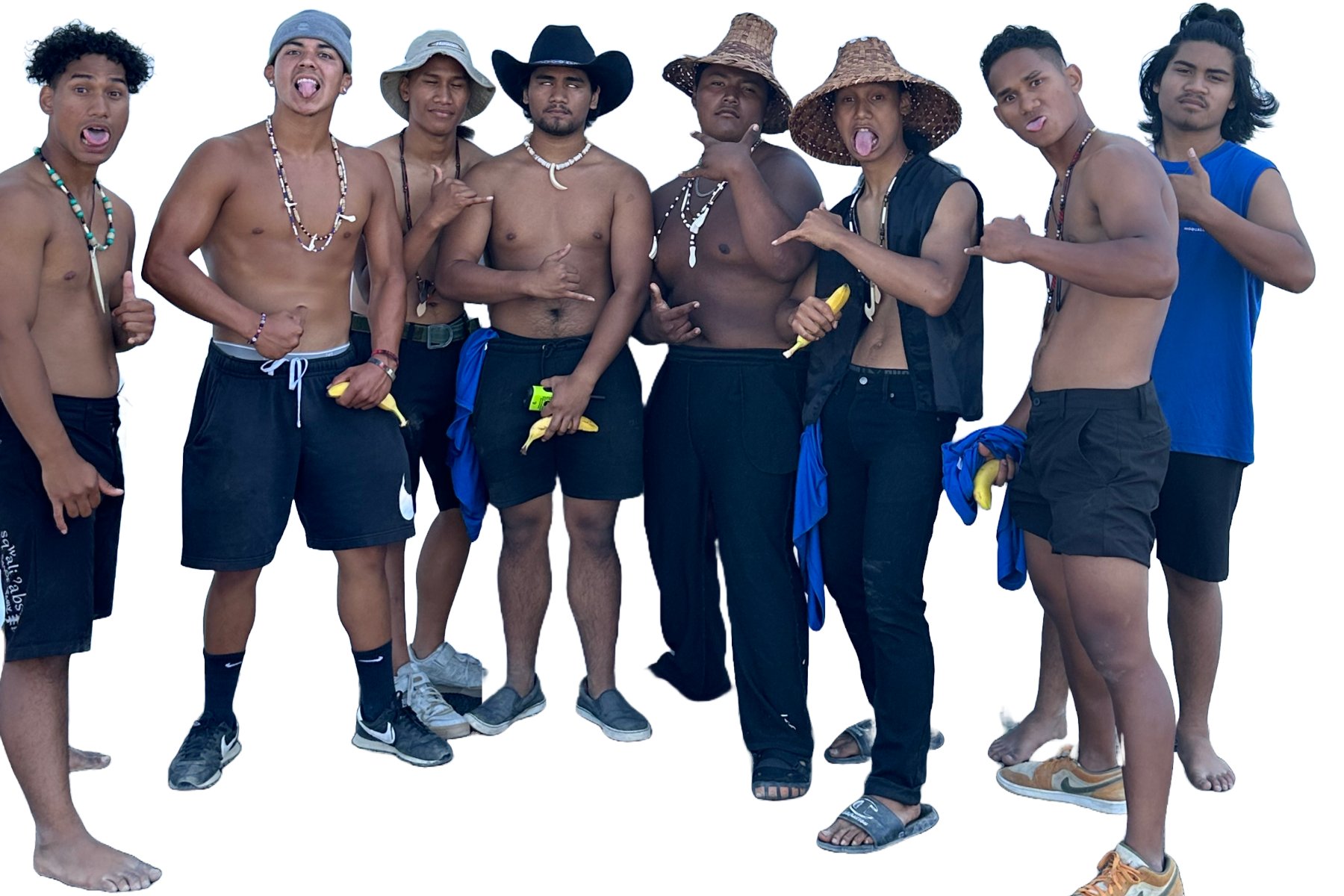
KAnaka Maoli Canoe Family
July 24 - July 30 Paddle to Nisqually
July 31 - August 5 Protocol
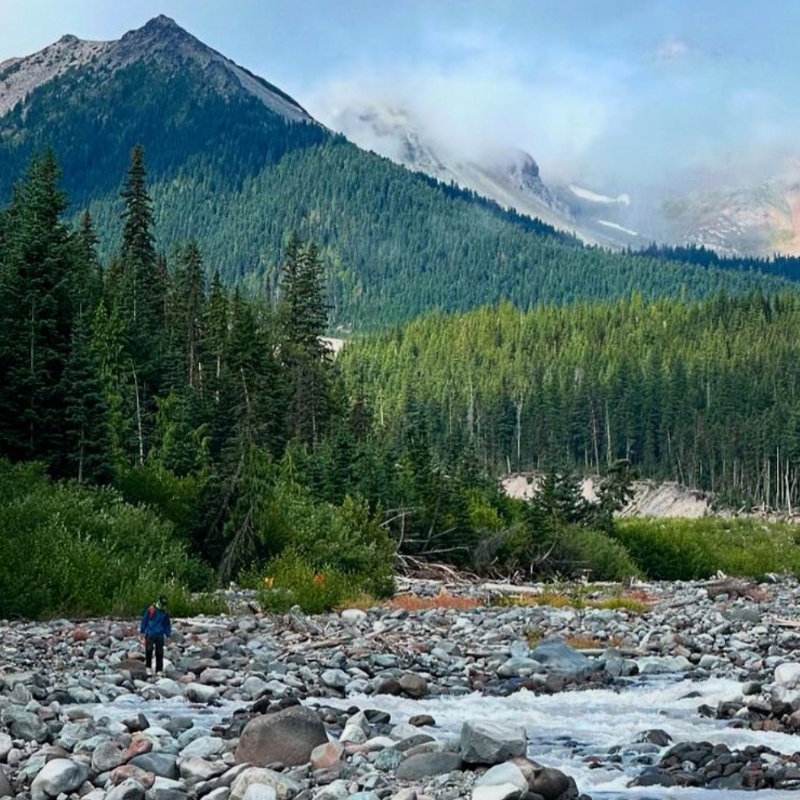
“E hoʻi ka ikaika kākou i ka pilina.
Let us strengthen our relationships.”
What is the purpose of this collaboration? Kanaka Maoli Canoe Family is a collaborative Hui (group) rooted in Aloha (love), Kuleana (responsibility), Lōkahi (unity), and Pilina (relationship). Each organization maintains its sovereignty, identity, and leadership while operating under a shared agreement of respect, cultural protocol, preparation, and participation throughout the journey.
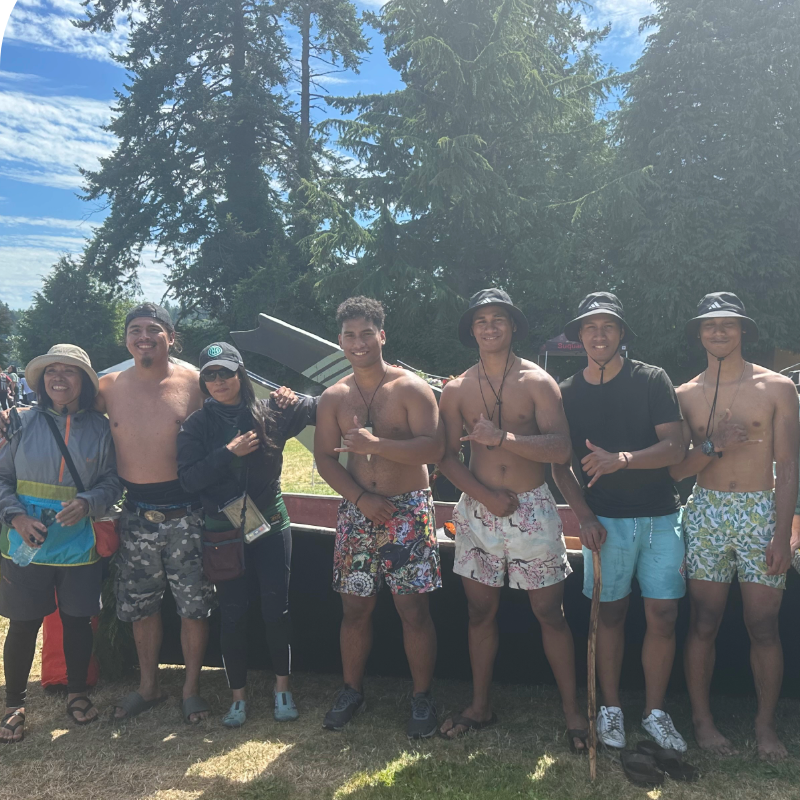
““ʔa tiił ʔal tii čəd”
We are all connected.”
What is the Canoe Journey? A Canoe Journey is an intertribal cultural gathering and ancestral voyage across the waterways of the Pacific Northwest and Salish Sea. Indigenous canoe families travel from tribal nation to tribal nation by traditional canoe, landing on ancestral shores to request permission to come ashore through ceremony, protocol, song, language, and prayer.
Landing Dates
Suquamish 7/27-7/28
Muckleshoot 7/29
Puyallup 7/30
Nisqually 7/31
Protocol
August 5th, Time TBD
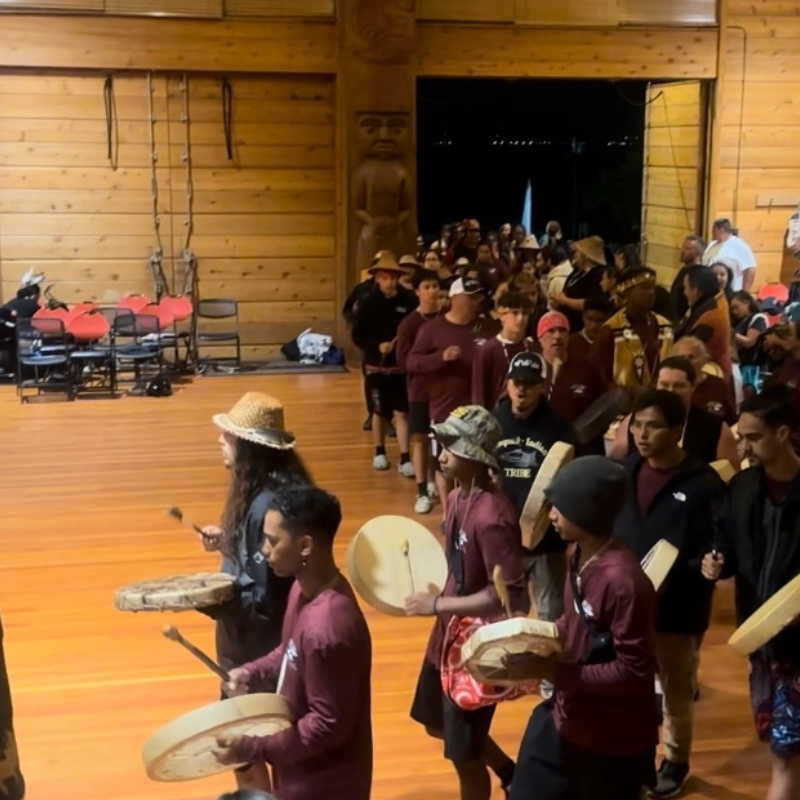
Tribal Canoe Journey
Where can we begin, well let’s start off with…
Cultural revitalization
Youth leadership development
Healing through ancestral practice
Intertribal relationship building
Stewardship of water and land
Preservation of language, songs, dance, and protocol
The canoe represents family, discipline, responsibility, and collective movement. Every person has a role and responsibility to help move the canoe forward.
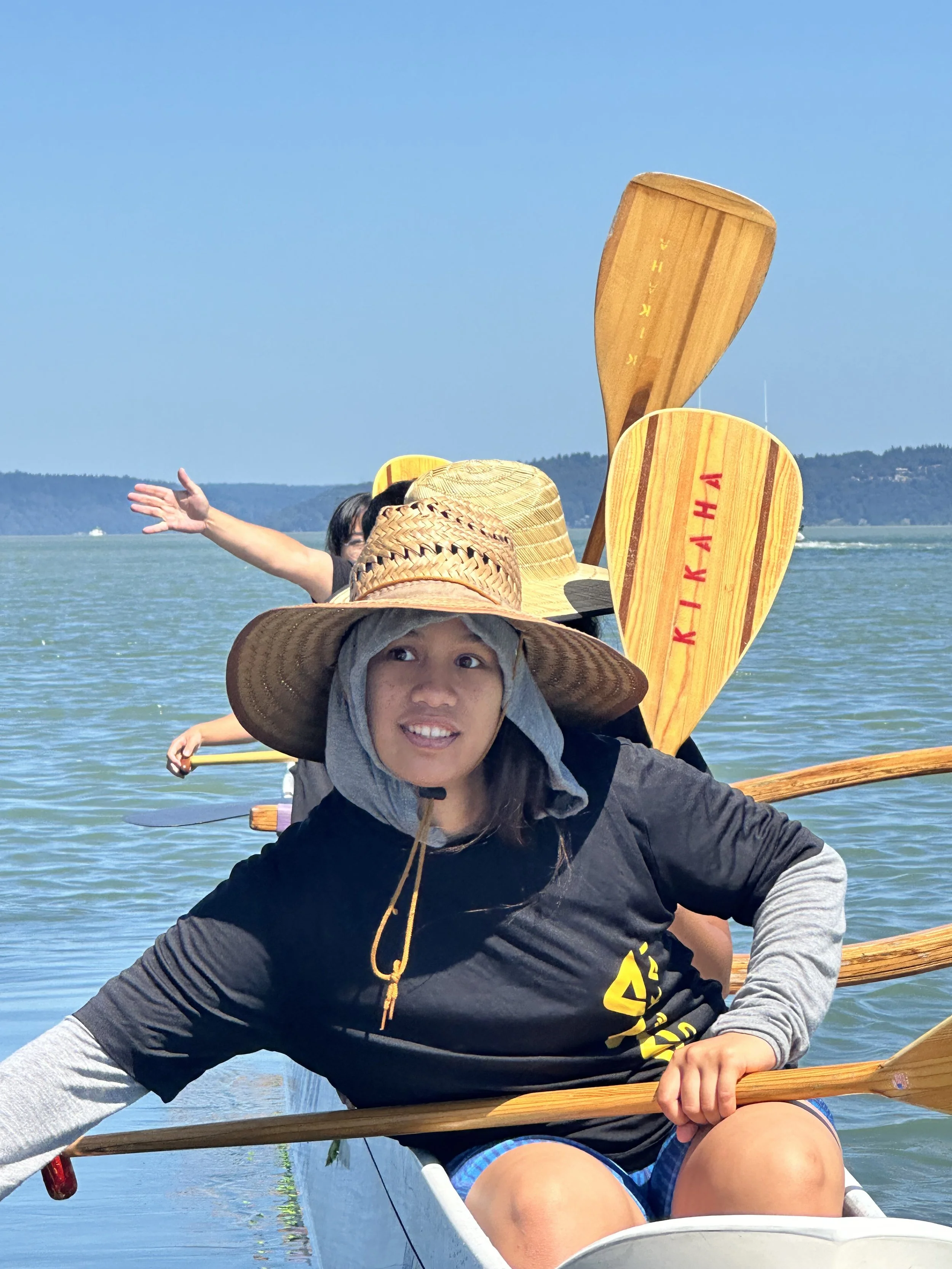
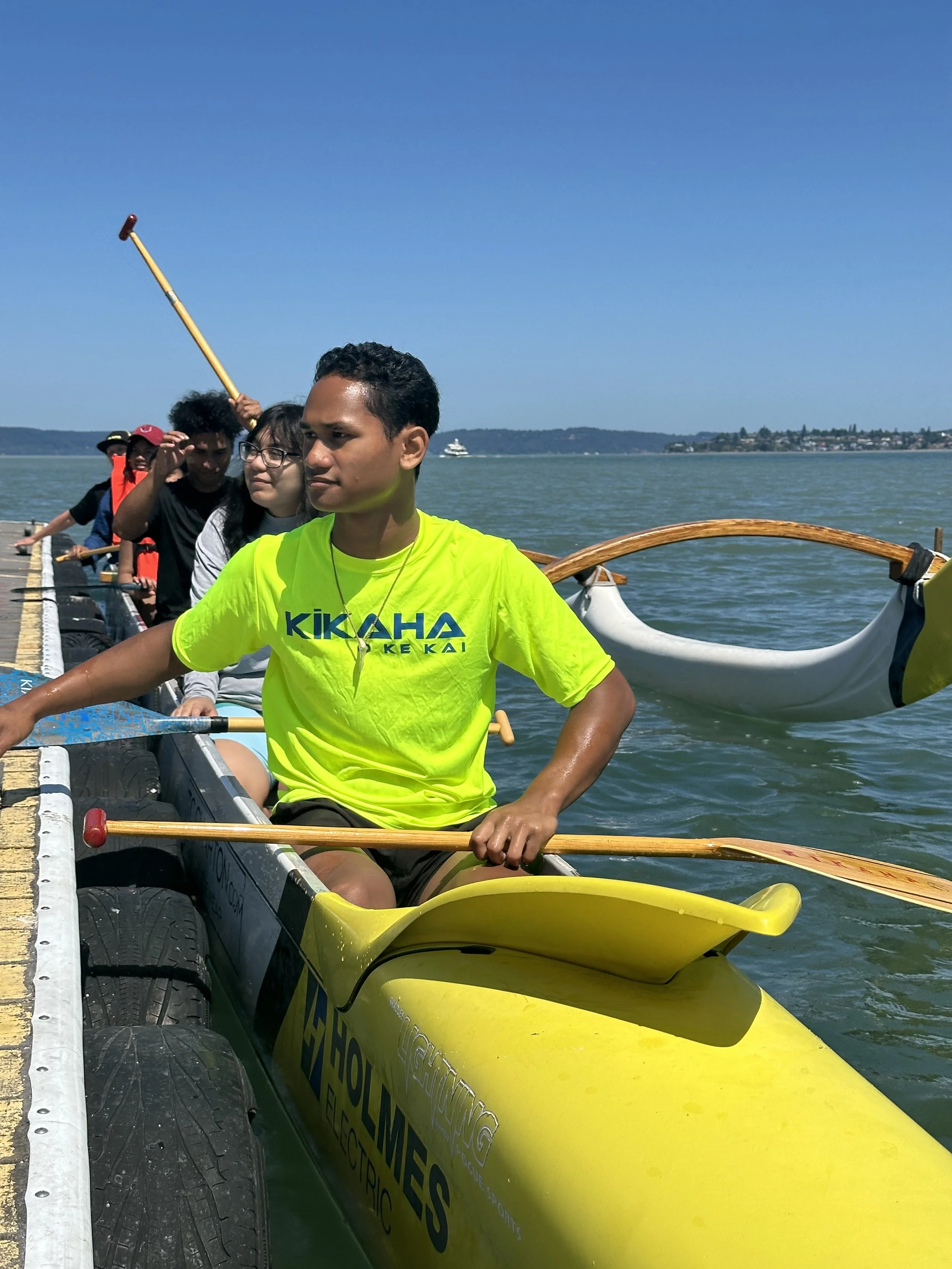
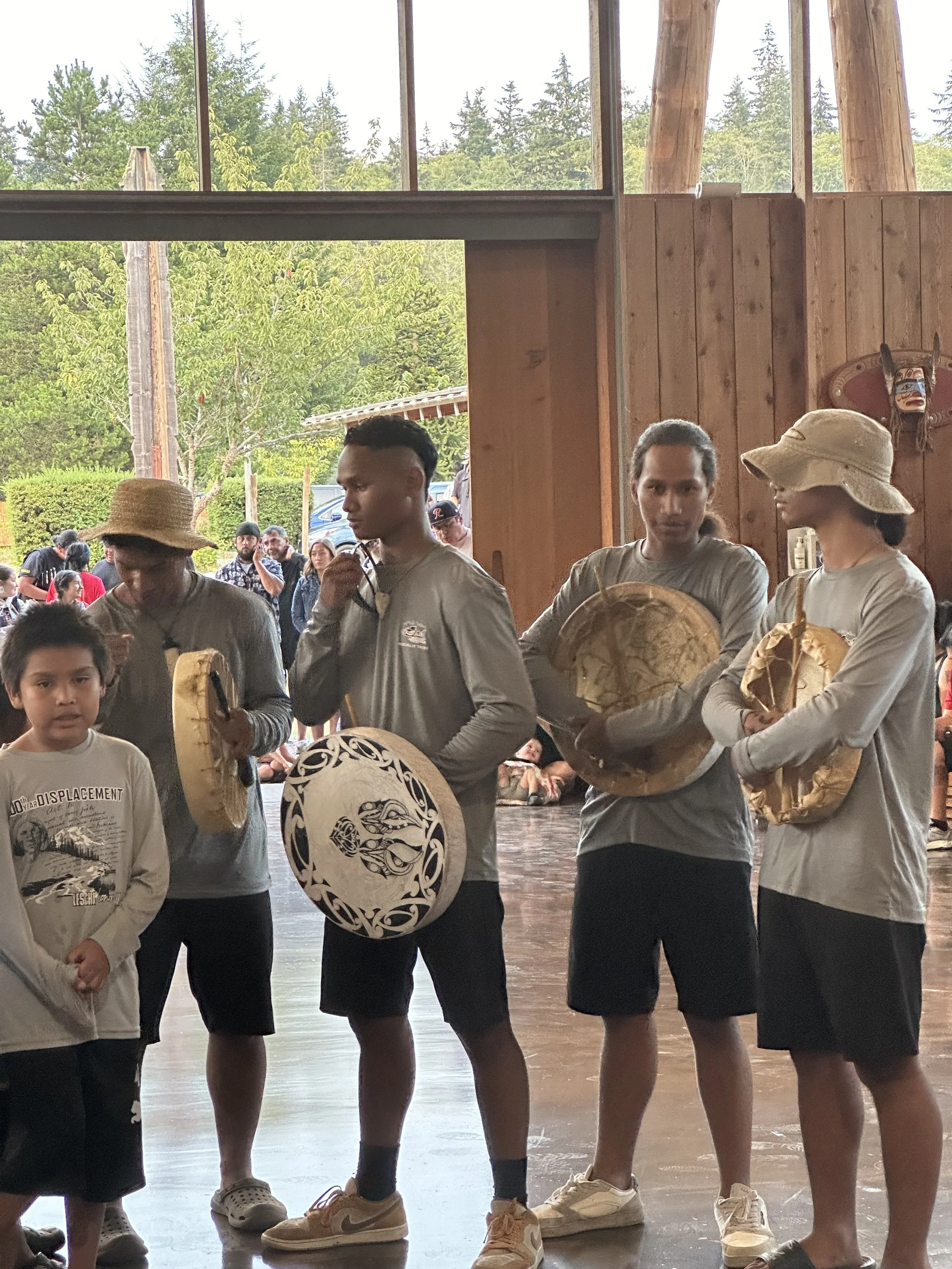
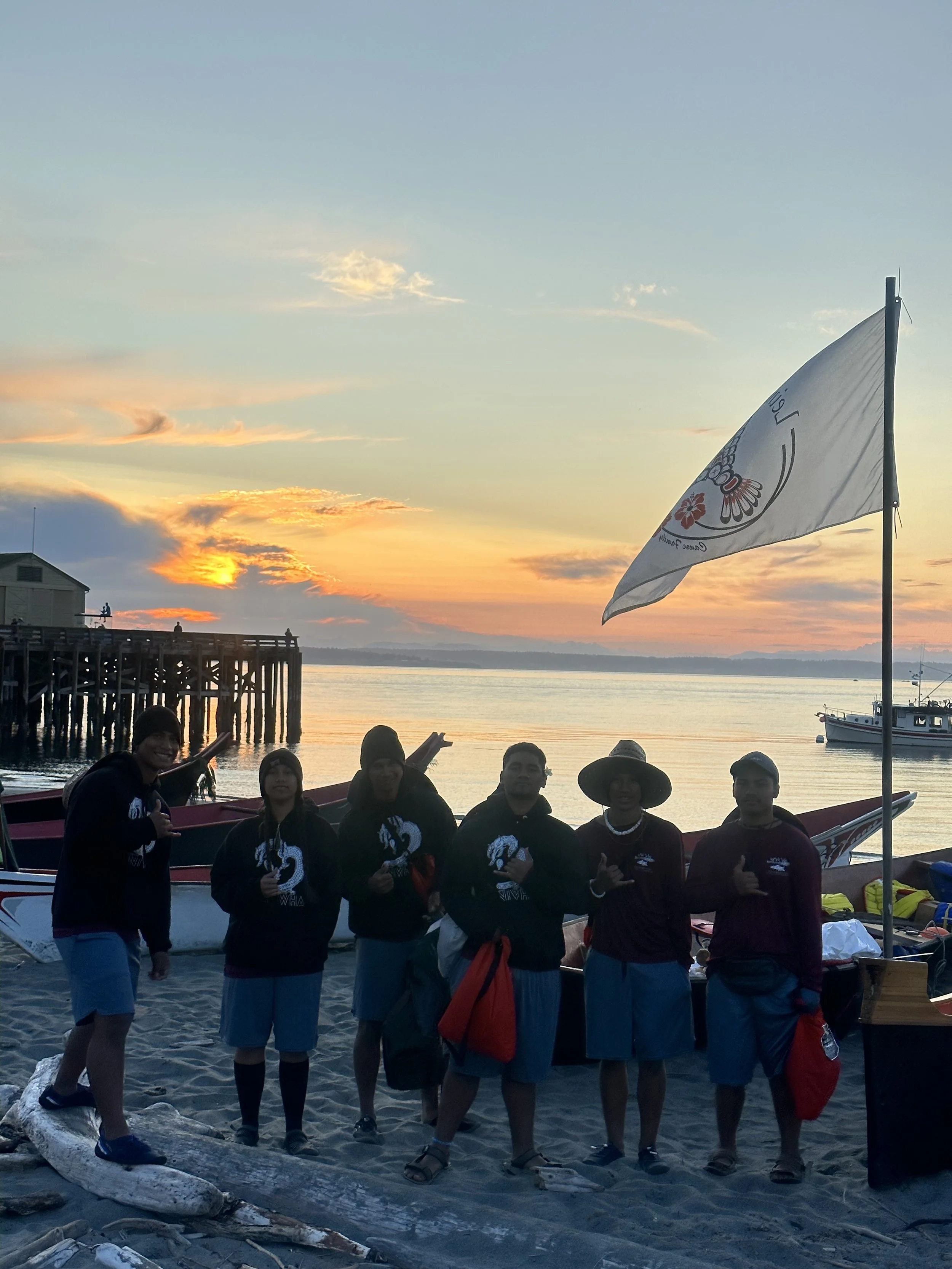
Participating Kanaka Maoli Organizations
Paddle to Nisqually 2026
Did you know that many of the Nisqually Tribal member’s share Kanaka Maoli bloodlines and some still carry their original Hawaiian names?
It seemed fitting for us to join this years journey and bring a Hawaiian Wa’a to their shores. The Goal is to paddle along side with the Nisqually Canoe Family starting in Suquamish.
At each stop a Kanaka Maoli contingency will join in protocol with Mele, Oli, Hula & Makana. The Wa’a will be paddled by Kanaka Maoli youth and Nisqually Tribal Youth.
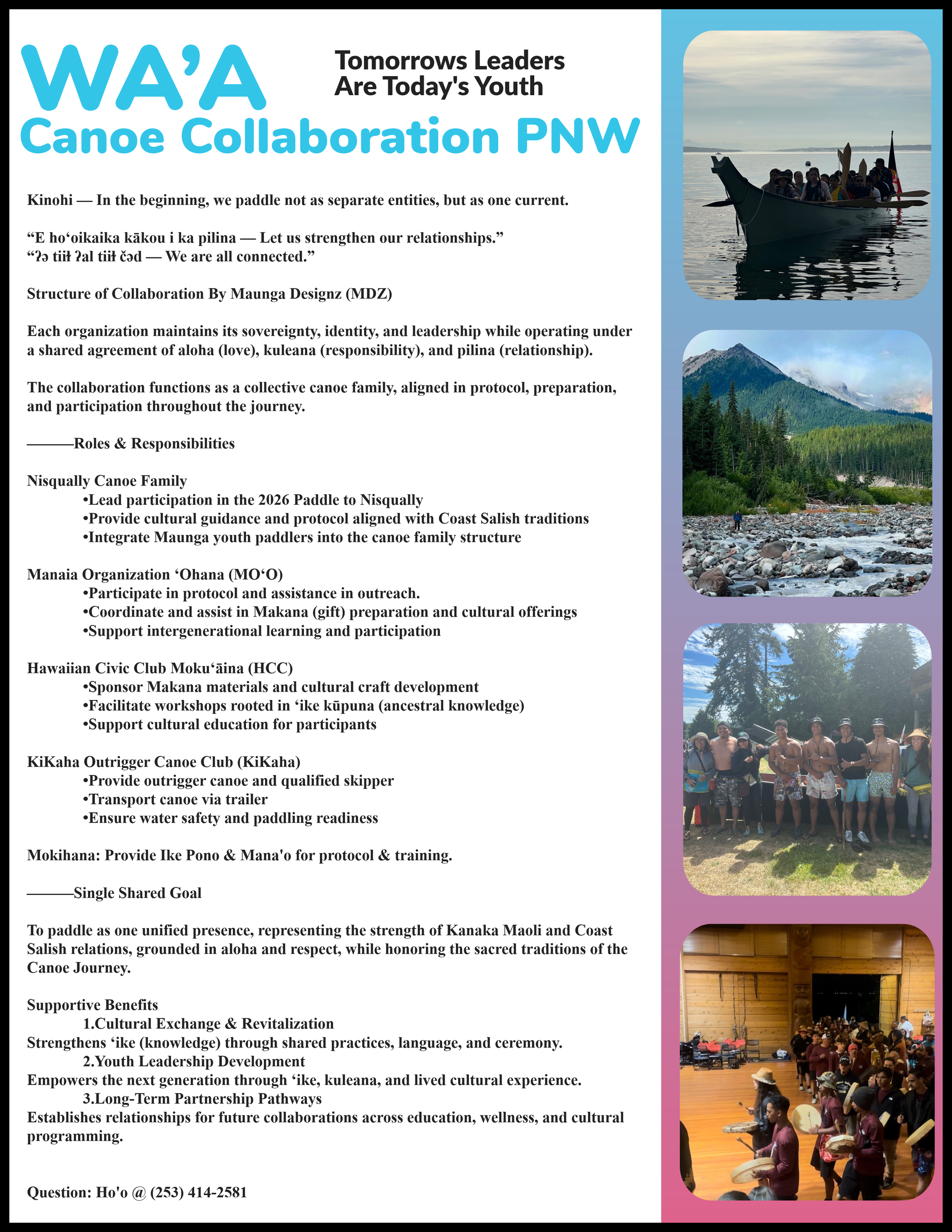
“Kinohi — In the Beginning, we paddle not as separate entities, but as one current.”
Join Us
If you’re planning on attending any of the landing sites or camping in Nisqually please view the maps, link below.
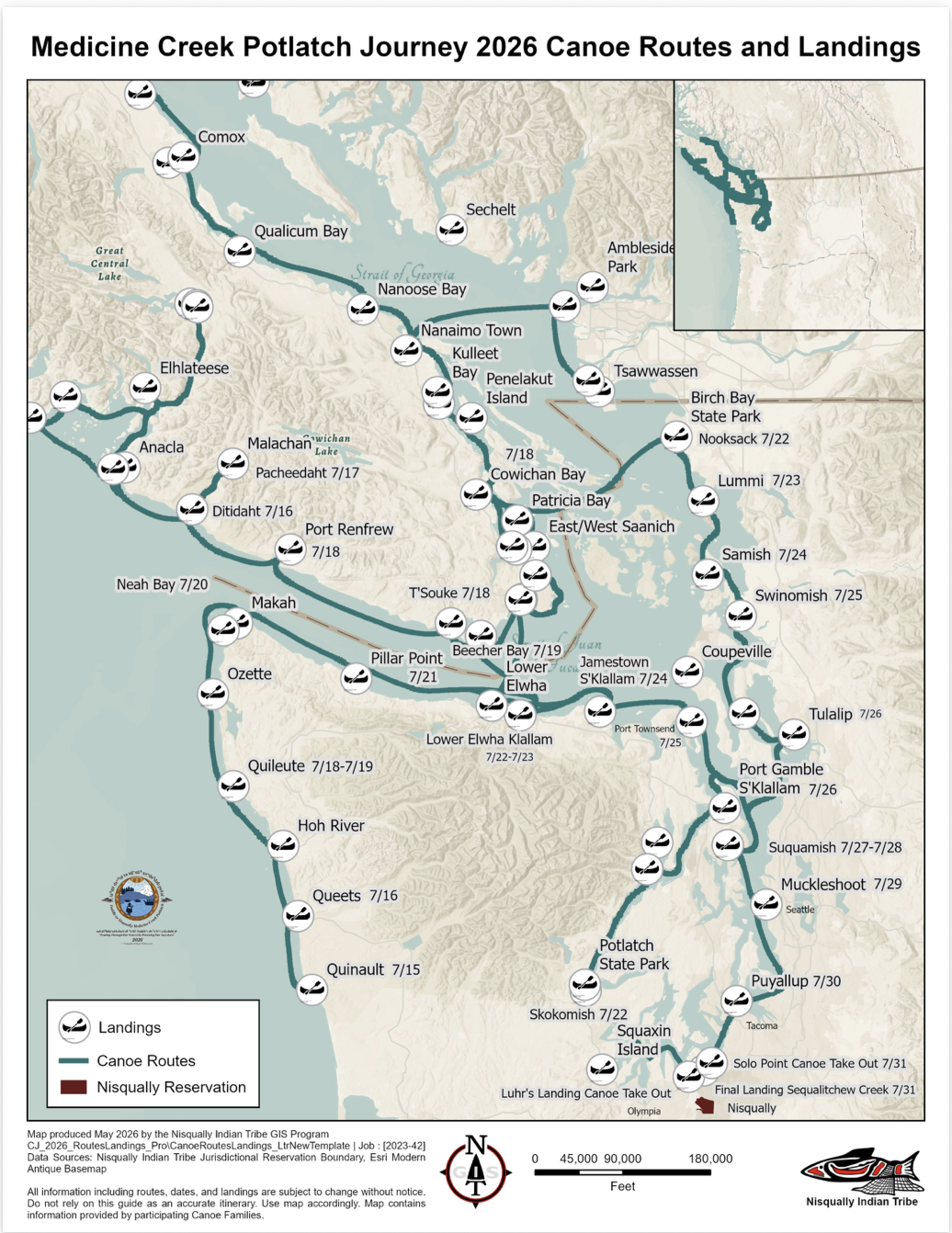
MAP
We’re using the 2016 host map because a current map isn’t available. Host-site.
Suquamish - Alkai beach, 12 miles
Alkai beach - Puyallup canoe Landing, 23.5 miles
Puyallup - Solo Point, 22 miles (Possible Landing for Nisqually)
Puyallup -Luhr beach
25 miles (Secondary landing for Nisqually)
Protocol
Each landing site may offer a night of protocol, these are additional places to offer Makana (gifts) to the host tribes.
Oli, Mele, Hula
Ia wa'a nui
Ia wa'a kioloa
Ia wa'a peleleu
A lele mamala
A manu a uka
A manu a kai
'I'iwi polena
A kau ka hoku
A kau i ka malama
A pae i kula
'Amama, ua noa
That large canoe
That long (shapely) canoe
That broad canoe
Let chips fly
The bird of the upland (mountain)
The bird of the lowland (sea)
The red Honeycreeper *
The stars hang above
The daylight arrives
Bring [the canoe] ashore
'Amama – the kapu (taboo) is lifted
This traditional chant was used at the launching of Hokule'a on March 8, 1975. After the canoe was launched, it was paddled out, then back to shore. As the canoe approached shore, the crew paddled to the chant.
The chant is slow – the paddle is struck a little in front of the paddler on the return stroke. The timing is: Ia wa'a [thump] nui [thump]; ia wa'a [thump] kioloa [thump], ia wa'a [thump] peleleu [thump]. ...
And, after the canoe landed and the kapu on it was lifted, the kahuna asked: "Pehea ka wa'a, pono anei?" ("How is the canoe? Is it good?") ... And the paddlers responded, " 'Ae, maika'I loa ka wa'a Hokule'a." ("Yes, the canoe is very good indeed!" )
* The red Honeycreeper is a native Hawaiian bird ... as a juvenile, it is polena (yellowish).